Ever stood in a crowded department store, staring at shelves overflowing with tie clips, novelty socks, and suspiciously expensive gadgets, feeling absolutely paralyzed? You’re not alone. If you’ve ever found yourself whispering to your partner, "I have no idea what to get him," or scrolling through endless Amazon lists only to delete everything by midnight, you’ve experienced the modern curse of gift-giving anxiety. It feels less like celebrating a father and more like passing an incredibly complex, high-stakes final exam.
This overwhelming feeling has a name: gift fatigue. It’s not a lack of love or appreciation; it's a genuine, predictable psychological response to consumer culture meeting emotional expectation. Understanding why is 'gift fatigue' so common for father's day gift planning? requires us to look beyond the actual gifts and examine the invisible pressure cooker that surrounds the concept of "the perfect present."
The Psychology Behind the Pressure to Perform
At its core, modern gift-giving has become an emotional labor task. We are not just selecting items; we are attempting to quantify affection using dollars and goods. This expectation creates what I call the emotional tax—the hidden mental energy spent anticipating success. We feel that if the gift isn't groundbreaking, thoughtful, or expensive enough, the gesture itself will be diminished in value.
This pressure is relentless because we often conflate material gifts with emotional connection. It’s a dangerous shortcut. The irony is that while we are trying to prove how much we care, the sheer magnitude of choices can make us feel emptier than if we simply did nothing at all. Why does our brain react this way? Because it treats gifting like an objective performance metric.
Extra resourcesConsider the cultural weight placed on these days. Every year, media and advertising suggest a new pinnacle for paternal appreciation—the "ultimate tech gadget," the "luxury experience," or the "outdoorsman's dream kit." It’s a continuous arms race against expectation.
As one behavioral scientist noted, "The more options presented to us, the higher our cognitive load becomes, leading often not to better choices, but to complete paralysis."
Navigating the Overload: Consumer Culture and Myth-Making
A significant portion of gift fatigue stems from external forces—specifically, marketing. We are bombarded with curated lifestyles that suggest happiness is purchasable. The industry has mastered turning simple appreciation into a massive retail operation.
We start seeing "The Father's Day Gift" not as an opportunity to celebrate your father, but as a chance to participate in the annual consumer ritual. This makes it incredibly difficult to break out of the cycle and think genuinely outside the box.
I once knew a friend who spent an entire Saturday researching artisanal grilling tools for her dad. She was so deep into the process that she forgot to actually talk to him about anything non-gifting related. It wasn't until her sister pointed out, "You know, he just wants you to talk to him," that the pressure finally lifted. Sometimes, all it takes is a Helpful site gentle reminder that we are human, not shopping algorithms.
How often do we confuse spending money with showing love? Is there a time when simply being present carries more weight than any gadget could provide?
The Scope Creep of Celebration: Too Many People, Too Few Ideas
If the pressure from marketing is one source of fatigue, the scope of modern family life is another. Today's father figures are rarely just "dads." They might be a step-dad, a biological dad, an uncle, a mentor, and a co-parent—all requiring acknowledgment on different scales.
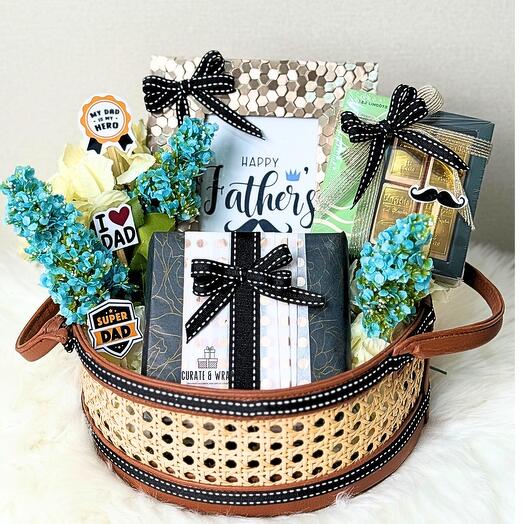
This multiplies the required intellectual effort exponentially. We aren't planning for one person; we are planning for a constellation of relationships. This is where why is 'gift fatigue' so common for father's day gift planning? becomes an issue of sheer logistics and emotional bandwidth. The task feels less like gifting and more like managing a small diplomatic mission.
Instead of seeing the list of recipients as a burden, try reframing it: you are honoring multiple important relationships, each one deserving of unique recognition. This shift in perspective can feel like turning a heavy anchor into a series of gentle currents.
Shifting Focus From Product to Experience
The most effective cure for gift fatigue is almost always subtraction—taking away the idea that the gift must be material. We need to pivot our focus from what we buy to how we spend time together. This doesn't mean abandoning thoughtful items entirely, but rather making them secondary to shared moments.
Instead of searching for a perfect gadget, ask these guiding questions:
- What makes him laugh until he cries? (The experience) What is something he always talks about wanting to try but never has time for? (The joint activity) What does he need more than anything else right now—rest, conversation, or quiet? (The emotional investment)
A small box of gourmet coffee beans is nice. An afternoon spent roasting those beans together, discussing favorite memories and future trips, is transformative. It turns the transaction into a memory-making process.
Crafting Meaningful Tributes for the Years Ahead
To move past the paralysis of choice, we must stop viewing gift planning as an acute crisis that happens only once a year. True appreciation is consistent, not climactic. By normalizing small acts of recognition throughout the year—a specific "Dad Appreciation Day" on a random Tuesday, or simply leaving a handwritten note with his favorite coffee—we build up a reserve of positive emotional capital.
When you approach Father's Day by focusing on sustained gestures rather than one monumental purchase, the pressure dissipates like smoke. You realize that gift fatigue isn't about inadequacy; it’s about expectation management. The greatest gift you can give yourself this year is permission to be imperfectly thoughtful.
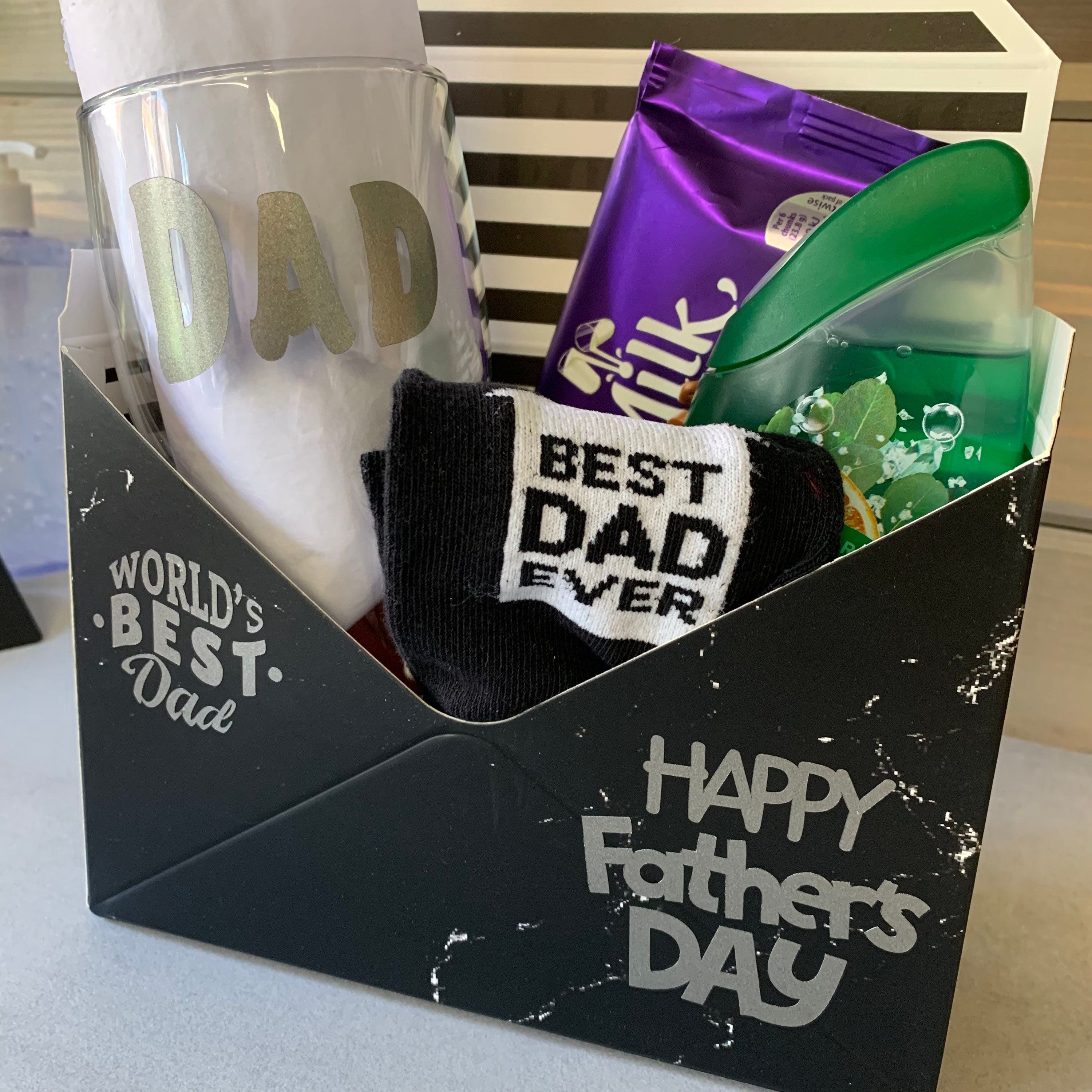
Start small. Commit to finding just one genuinely personalized touch point for each person on your list, and let the rest of the gifts fall naturally into place. Don't wait until the last minute; start thinking about experiences now. This approach allows you to build momentum and reduce stress long before the big day arrives.
Ready to shift from frantic searching to genuine connection? Start a gift conversation with your loved ones months in advance, focusing on shared memories rather than retail trends.