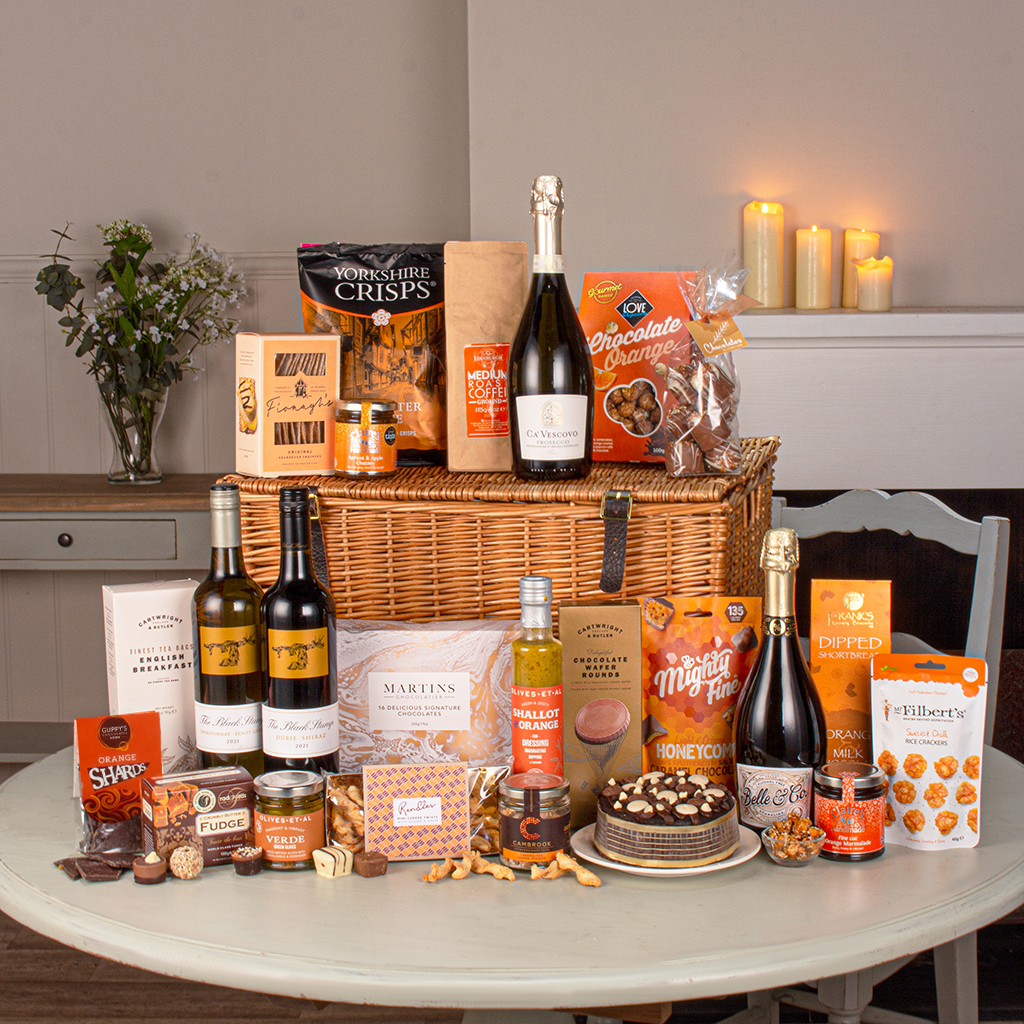
Imagine unwrapping a gleaming Australian luxury hamper, the scent of fresh fruit and artisanal cheeses mingling with the subtle bouquet of a fine bottle of wine. Your eyes widen with delight—until you notice a label that reads “Best Before: 2021.” Panic sets in. What do you do? This article walks you through the steps to handle an expired wine situation, offering practical advice, a dash of humor, and a few insider tips to https://rentry.co/g9bc474s keep your gift-giving game strong.
Understanding the Problem: Why Expired Wine Happens
Common Causes in Luxury Hampers
Luxury hampers are curated for indulgence, but even the best producers can slip up. Common reasons for expired wine in a hamper include:
- Mislabeling: The wine’s vintage may be printed incorrectly. Improper Storage: Transport or display conditions can accelerate aging. Supply Chain Delays: Long transit times can push a wine beyond its optimal window.
Signs Your Wine Has Gone Bad
Even if the date is clear, you can still spot a wine that’s past its prime:
- Off‑Smell: A sour, vinegar-like aroma often signals spoilage. Color Shift: Darkening or haziness in the glass. Tasting Profile: A flat, metallic taste can indicate oxidation.
Remember, wine is a living product; its quality can change over time, especially if stored in less-than-ideal conditions.
Immediate Actions You Can Take
Check the Expiry Date and Storage Conditions
Start by double‑checking the label. Some Australian wines are labeled with a “best before” date rather than a strict expiry. If the date is a year past, ask the supplier for clarification. Also, consider how the hamper was stored:
- Was it kept in a cool, dark place? Was the bottle sealed properly during transit?
Taste Test: The Classic “Sour Smell” Test
If you’re comfortable, give the wine a quick sniff and sip. A few drops can reveal:
- Vinegar-like: Likely spoiled. Nutty or earthy: Still fine, though perhaps not at its peak. Flat or dull: A sign of aging but still drinkable.
If you’re unsure, it’s safer to err on the side of caution and avoid consumption.
Options for Dealing with Expired Wine
Return or Replace Through the Supplier
Most reputable Australian luxury hamper providers offer a return or replacement policy. When you contact them:
- Explain the issue calmly and provide photos if possible. Ask for a refund, exchange, or store credit. Keep receipts for reference.
Most suppliers will be happy to resolve the situation, as their reputation depends on customer satisfaction.
Sell or Donate the Wine
If the wine is still drinkable but you don’t want to keep it, consider:
- Selling it to a local wine shop or online marketplace. Donating to a charity event or community gathering.
Some charities accept wine donations in exchange for a tax deduction.
Turn It Into a Creative DIY Project
When all else fails, let your creativity shine. Here are a few playful ideas:
- Wine‑Infused Candles: Melt wax, add a splash of wine, pour into molds. Vinegar for Gardening: Convert spoiled wine into a natural plant fertilizer. Cocktail Base: Mix the wine with fresh fruit and spirits for a unique drink.
These projects give the wine a second life and add a personal touch to your home.
Preventing Future Expirations: Tips for Selecting and Storing
Choose Reputable Australian Wine Brands
Research brands that are known for:
- Consistent Quality: Look for awards and reviews. Clear Labeling: Vintages and best‑before dates should be accurate. Transparent Practices: Companies that disclose their production methods.
A quick Google search or a visit to a specialty wine shop can help you make an informed choice.
Ask About Shelf Life and Storage Advice
When ordering a hamper, ask:
- “What is the recommended shelf life?” “How should I store the wine after opening?”
These questions show you’re proactive and help avoid future mishaps.
Store at the Right Temperature
Wine is a temperature-sensitive beverage. Ideal storage conditions include:
- Cool, dark place: 10–15 °C (50–59 °F). Consistent humidity: 60–70 % to keep corks from drying. Avoid vibration: Keeps sediment from settling prematurely.
If you lack a wine fridge, a cool pantry or a dedicated cellar can do the trick.
Turning the Situation Into a Silver Lining
What Alcohol-free hampers if you discover that your luxury hamper’s wine is expired? Rather than feeling defeated, think of it as an opportunity to learn and grow. As the famous Australian winemaker George M. says, “Wine is a story, and every bottle has a chapter that can be rewritten.” Use this experience to refine your future gift choices, share a laugh with friends over a DIY wine‑candle project, or simply appreciate the fact that even a misstep can lead to creativity.
In the end, the key takeaway is simple: stay calm, act quickly, and turn a potential disappointment into a chance for connection—whether that’s with a supplier, a charity, or a crafty DIY session. Your next Australian luxury hamper will be even more satisfying, and you’ll be ready for any surprises that come your way. Cheers to learning, laughing, and living the wine‑laced life!
